
Γέροντας:
Έτσι είναι, παιδάκι μου. Δεν υπάρχουν άθεοι. Ειδωλολάτρες υπάρχουν, οι οποίοι βγάζουν τον Χριστό από τον θρόνο Του και στη θέση Του τοποθετούν τα είδωλά τους. Εμείς λέμε: «Δόξα τω Πατρί και τω Υιώ και τω Αγίω Πνεύματι». Αυτοί λένε: «Δόξα στον μεγάλο Μάο». Διαλέγεις και παίρνεις.
Άθεος:
Και σεις, παππούλη, το παίρνετε το ναρκωτικό σας. Μόνο που εσείς το λέτε Χριστό, ο άλλος το λέει Αλλάχ, ο τρίτος Βούδα κ.ο.κ.
Γέροντας:
- Ο Χριστός, παιδί μου, δεν είναι ναρκωτικό. Ο Χριστός είναι ο Δημιουργός του σύμπαντος κόσμου. Αυτός που με σοφία κυβερνά τα πάντα: από το πλήθος των απέραντων γαλαξιών μέχρι τα απειροελάχιστα σωματίδια του μικρόκοσμου. Αυτός που δίνει ζωή σε όλους μας. Αυτός που σ’ έφερε στον κόσμο και σου’ χει δώσει τόση ελευθερία, ώστε να μπορείς να Τον αμφισβητείς, αλλά και να Τον αρνείσαι ακόμη.
Άθεος:
- Παππούλη, δικαίωμά σας είναι να τα πιστεύετε όλα αυτά. Αυτό όμως δεν σημαίνει ότι είναι και αληθινά. Αποδείξεις έχετε;
Γέροντας:
- Εσύ όλα αυτά τα θεωρείς παραμύθια, έτσι δεν είναι;
Άθεος:
- Βεβαίως.
Γέροντας:
- Αποδείξεις έχεις; Μπορείς να μου αποδείξεις ότι όσα πιστεύω εγώ είναι ψεύτικα;
Άθεος:
- ...
Γέροντας:
- Δεν απαντάς, διότι και συ δεν έχεις αποδείξεις. Άρα και συ πιστεύεις ότι είναι παραμύθια. Κι εγώ μεν ομιλώ περί πίστεως, όταν αναφέρομαι στον Θεό. Εσύ όμως, ενώ απορρίπτεις τη δική μου πίστη, στην ουσία πιστεύεις στην απιστία σου, αφού δεν μπορείς να την τεκμηριώσεις με αποδείξεις. Πρέπει όμως να σου πω ότι η πίστη η δική μου δεν είναι ξεκάρφωτη. Υπάρχουν κάποια υπερφυσικά γεγονότα, πάνω στα οποία θεμελιώνεται.
Άθεος:
- Μια στιγμή! Μια και μιλάτε για πίστη, τι θα πείτε στους Μωαμεθανούς π.χ. ή στους Βουδιστές; Διότι κι εκείνοι ομιλούν περί πίστεως. Κι εκείνοι διδάσκουν υψηλές ηθικές διδασκαλίες. Γιατί η δική σας πίστη είναι καλύτερη από εκείνων;
Γέροντας:
- Μ’ αυτή την ερώτηση σου τίθεται το κριτήριο της αληθείας? διότι βεβαίως η αλήθεια είναι μία και μόνη. Δεν υπάρχουν πολλές αλήθειες. Ποιος όμως κατέχει την αλήθεια; Ιδού το μεγάλο ερώτημα. Έτσι, δεν πρόκειται για καλύτερη ή χειρότερη πίστη! Πρόκειται για τη μόνη αληθινή πίστη!
Δέχομαι ότι ηθικές διδασκαλίες έχουν και τα άλλα πιστεύω. Βεβαίως οι ηθικές διδασκαλίες του Χριστιανισμού υπερέχουν ασυγκρίτως. Εμείς όμως δεν πιστεύουμε στον Χριστό για τις ηθικές Του διδασκαλίες. Ούτε για το «Αγαπάτε αλλήλους», ούτε για τα κηρύγματά Του περί ειρήνης και δικαιοσύνης, ελευθερίας και ισότητος. Εμείς πιστεύουμε στον Χριστό, διότι η επί γης παρουσία Του συνοδεύθηκε από υπερφυσικά γεγονότα, πράγμα το οποίο σημαίνει ότι είναι Θεός.
Άθεος:
- Κοιτάξτε. Κι εγώ παραδέχομαι ότι ο Χριστός ήταν σπουδαίος φιλόσοφος και μεγάλος επαναστάτης, αλλά μην τον κάνουμε και Θεό τώρα...
Γέροντας:
- Αχ, παιδί μου! Όλοι οι μεγάλοι άπιστοι της ιστορίας εκεί σκάλωσαν. Το ψαροκόκαλο που τους κάθισε στο λαιμό και δεν μπορούσαν να το καταπιούν, αυτό ακριβώς ήταν. Το ότι ο Χριστός είναι και Θεός.
Πολλοί από αυτούς ήσαν διατεθειμένοι να πουν στον Κύριο: Μη λες ότι είσαι Θεός ενανθρωπήσας. Πες ότι είσαι απλός άνθρωπος και μεις είμαστε έτοιμοι να σε θεοποιήσουμε. Γιατί θέλεις να είσαι Θεός ενανθρωπήσας και όχι άνθρωπος αποθεωθείς; Εμείς δεχόμαστε να σε αποθεώσουμε, να σε αποκηρύξουμε τον μέγιστο των ανθρώπων , τον αγιώτατο, τον ηθικώτατο, τον ευγενέστατο, τον ανυπέρβλητο, τον μοναδικό, τον ανεπανάληπτο. Δεν σου αρκούν όλα αυτά;
Ο κορυφαίος του χορού των αρνητών, ο Ερνέστος Ρενάν, βροντοφωνεί περί του Χριστού: «Για δεκάδες χιλιάδες χρόνια ο κόσμος θα ανυψώνεται δια σου», είσαι «ο ακρογωνιαίος λίθος της ανθρωπότητας ώστε το να αποσπάσει κάποιος το όνομά σου από τον κόσμο τούτο θα ήταν ίσο με τον εκ θεμελίων κλονισμό του», «οι αιώνες θα διακηρύσσουν ότι μεταξύ των υιών των ανθρώπων δεν γεννήθηκε κανένας υπέρτερός» σου. Εδώ όμως σταματούν, και αυτός και οι όμοιοί του. Η επόμενη φράση τους; «Θεός όμως δεν είσαι!»
Και δεν αντιλαμβάνονται οι ταλαίπωροι ότι όλα αυτά συνιστούν για την ψυχή τους μια ανέκφραστη τραγωδία! Το δίλημμα αναπόφευκτα είναι αμείλικτο: Ή είναι Θεός ενανθρωπήσας ο Χριστός, οπότε πράγματι, και μόνον τότε, αποτελεί την ηθικωτέρα, την αγιωτέρα και την ευγενεστέρα μορφή της ανθρωπότητος, ή δεν είναι Θεός ενανθρωπήσας, οπότε όμως δεν είναι δυνατόν να είναι τίποτε απ’ όλα αυτά. Αντιθέτως αν ο Χριστός δεν είναι Θεός, τότε πρόκειται για την απαισιοτέρα, τη φρικτοτέρα και την απεχθεστέρα ύπαρξη της ανθρωπίνης ιστορίας.
Άθεος:
- Τι είπατε;
Γέροντας:
- Αυτό που άκουσες! Βαρύς ο λόγος, απολύτως όμως αληθής. Και ιδού γιατί: Τι είπαν για τον εαυτό τους, ή ποια ιδέα είχαν για τον εαυτό τους όλοι οι πράγματι μεγάλοι άνδρες της ανθρωπότητος;
Ο «ανδρών απάντων σοφώτατος» Σωκράτης διεκήρυσσε το: «Εν οίδα ότι ουδέν οίδα».
Όλοι οι σπουδαίοι άνδρες της Παλαιάς και της Καινής Διαθήκης, από τον Αβραάμ και τον Μωϋσή μέχρι τον Ιωάννη τον Πρόδρομο και τον Παύλο, αυτοχαρακτηρίζονται «γη και σποδός (=στάχτη)», «ταλαίπωροι», «εκτρώματα» κ.τ.τ.[1]
Η συμπεριφορά, αντιθέτως, του Ιησού είναι παραδόξως διαφορετική! Και λέω παραδόξως διαφορετική, διότι το φυσικό και το λογικό θα ήταν να είναι παρόμοια η συμπεριφορά Του. Αυτός μάλιστα, ως ανώτερος και υπέρτερος από όλους του άλλους, θα έπρεπε να έχη ακόμα κατώτερη και ταπεινότερη ιδέα για τον εαυτό Του[2]. Ηθικώς τελειότερος από κάθε άλλον έπρεπε να υπερακοντίζει σε αυτομεμψία και ταπεινό φρόνημα όλους τους παραπάνω και οποιονδήποτε άλλον, από την δημιουργία του κόσμου μέχρι τη συντέλεια των αιώνων.
Συμβαίνει όμως το ακριβώς αντίθετο!
Πρώτα – πρώτα διακηρύσσει ότι είναι αναμάρτητος: «Τις εξ υμών ελέγχει με περί αμαρτίας;» (Ιωάν. η’ 46). «Έρχεται ο του κόσμου τούτου άρχων, και εν εμοί ουκ έχει ουδέν» (Ιωάν. ιδ’ 30).
Εκφράζει επίσης πολύ υψηλές ιδέες περί Εαυτού: «Εγώ ειμί το φως του κόσμου» (Ιωάν. η’ 12). «Εγώ ειμί η οδός και η αλήθεια και η ζωή» (Ιωάν. ιδ’ 6).
Εκτός όμως αυτών, προβάλλει και αξιώσεις απολύτου αφιερώσεως στο Πρόσωπό Του. Εισχωρεί ακόμη και στις ιερώτερες σχέσεις των ανθρώπων και λέει: «Ο φιλών πατέρα ή μητέρα υπέρ εμέ ουκ έστι μου άξιος? και ο φιλών υιόν ή θυγατέρα υπέρ εμέ ουκ έστι μου άξιος» (Ματθ. ι’ 37). «Ήλθον διχάσαι άνθρωπον κατά του πατρός αυτού και θυγατέρα κατά της μητρός αυτής και νύμφην κατά της πενθεράς αυτής» (Ματθ. ι’ 35). Απαιτεί ακόμη και μαρτυρική ζωή και θάνατο από τους μαθητές Του: «Παραδώσουσιν υμάς εις συνέδρια και εν ταις συναγωγαίς αυτών μαστιγώσουσιν υμάς? και επί ηγεμόνας δε και βασιλείς αχθήσεσθε ένεκεν εμού... Παραδώσει δε αδελφός αδελφόν εις θάνατον και πατήρ τέκνον, και επαναστήσονται τέκνα επί γονείς και θανατώσουσιν αυτούς? και έσεσθε μισούμενοι υπό πάντων δια το όνομά μου? ο δε υπομείνας εις τέλος ούτος σωθήσεται... Μη φοβηθήτε από των αποκτεννόντων το σώμα... Όστις αν αρνήσηταί με έμπροσθεν των ανθρώπων, αρνήσομαι αυτόν καγώ... Ο απολέσας την ψυχήν αυτού ένεκεν εμού ευρήσει αυτήν» (Ματθ. ι’ 17 κ.ε.).
Και τώρα σε ρωτώ: Τόλμησε ποτέ κανείς να διεκδικήσει υπέρ αυτού την αγάπη των ανθρώπων πάνω κι απ’ την ίδια τους τη ζωή; Τόλμησε ποτέ κανείς να διακηρύξει την απόλυτη αναμαρτησία του; Τόλμησε ποτέ κανείς να εκστομίσει το: «Εγώ ειμί η αλήθεια»; (Ιωάν. ιδ’ 6). Κανείς και πουθενά! Μόνο ένας Θεός θα μπορούσε να τα κάνη αυτά. Φαντάζεσαι τον δικό σας τον Μαρξ να ‘λεγε κάτι τέτοια; Θα τον περνούσαν για τρελό και δεν θα βρισκόταν κανείς να τον ακολουθήσει.
Για σκέψου, τώρα, πόσα εκατομμύρια άνθρωποι θυσίασαν τα πάντα για χάρη του Χριστού, ακόμα και αυτή τη ζωή τους, πιστεύοντας στην περί εαυτού αλήθεια των λόγων Του! Εάν οι περί εαυτού διακηρύξεις του ήσαν ψευδείς, ο Ιησούς θα ήταν η απαισιοτέρα μορφή της ιστορίας οδηγώντας τόσους πολλούς σε τόσο βαριά θυσία. Ποιος άνθρωπος, όσο μεγάλος, όσο σπουδαίος, όσο σοφός κι αν είναι, θα άξιζε αυτή τη μεγάλη προσφορά και θυσία; Ποιος; Κανένας! Μόνο εάν ήταν Θεός!
Μ’ άλλα λόγια: Όποιος άνθρωπος απαιτούσε αυτή τη θυσία από τους οπαδούς του, θα ήταν η απαισιοτέρα μορφή της ιστορίας. Ο Χριστός όμως και την απαίτησε και την πέτυχε. Παρά ταύτα από τους αρνητές της θεότητός Του αναγορεύθηκε η ευγενεστέρα και αγιωτέρα μορφή της ιστορίας. Οπότε: Ή παραλογίζονται οι αρνητές ονομάζοντας αγιώτερο τον απαισιώτερο, ή, για να μην υπάρχει παραλογισμός, αλλά να έχη λογική η συνύπαρξι απαιτήσεων του Χριστού και αγιότητός Του, θα πρέπει αναγκαστικά να δεχθούν ότι ο Χριστός εξακολουθεί να παραμένει η ευγενεστέρα και αγιωτέρα μορφή της ανθρωπότητος μόνο όμως υπό την προϋπόθεσι ότι είναι και Θεός! Αλλιώς είναι, όπως είπαμε, όχι η αγιωτέρα, αλλά η φρικτοτέρα μορφή της ιστορίας, ως αιτία της μεγαλυτέρας θυσίας των αιώνων, εν ονόματι ενός ψεύδους! Έτσι η θεότητα του Χριστού αποδεικνύεται με βάσι αυτούς τους ίδιους τους περί αυτού χαρακτηρισμούς των αρνητών Του!...
Άθεος:
- Όσα είπατε είναι πράγματι εντυπωσιακά, δεν αποτελούν όμως παρά συλλογισμούς. Ιστορικά στοιχεία, που να θεμελιώνουν την Θεότητά του, έχετε;
Γέροντας:
- Σου είπα και προηγουμένως ότι τα πειστήρια της Θεότητας Του είναι τα υπερφυσικά γεγονότα που συνέβησαν όσο καιρό ήταν εδώ στη γη. Ο Χριστός δεν αρκέσθηκε μόνο να διακηρύσσει τις παραπάνω αλήθειες, αλλά επικύρωνε τους λόγους Του και με πλήθος θαυμάτων. Έκανε τυφλούς να βλέπουν, παράλυτους να περπατούν, έθρεψε με δύο ψάρια και πέντε ψωμιά πέντε χιλιάδες άνδρες και πολλαπλάσιες γυναίκες και παιδιά, διέτασσε τα στοιχεία της φύσεως και αυτά υπάκουαν, ανέστησε νεκρούς μεταξύ των οποίων και τον Λάζαρο τέσσερις μέρες μετά τον θάνατό του. Μεγαλύτερο όμως από όλα τα θαύματα είναι η Ανάσταση Του.
Όλο το οικοδόμημα του Χριστιανισμού στηρίζεται στο γεγονός της Αναστάσεως. Αυτό δεν το λέω εγώ. Το λέει ο Απόστολος Παύλος: «Ει Χριστός ουκ εγήγερται, ματαία η πίστις ημών» (Α’ Κορ. ιε’ 17). Αν ο Χριστός δεν ανέστη, τότε όλα καταρρέουν. Ο Χριστός όμως ανέστη, πράγμα το οποίο σημαίνει ότι είναι Κύριος της ζωής και του θανάτου, άρα Θεός.
Άθεος:
- Εσείς τα είδατε όλα αυτά; Πως τα πιστεύετε;
Γέροντας:
- Όχι, εγώ δεν τα είδα. Τα είδαν όμως άλλοι, οι Απόστολοι. Αυτοί στη συνέχεια τα γνωστοποίησαν και μάλιστα προσυπέγραψαν τη μαρτυρία τους με το αίμα τους. Κι όπως όλοι δέχονται, η μαρτυρία της ζωής είναι η υψίστη μαρτυρία.
Φέρε μου και συ κάποιον να μου πει πως ο Μαρξ απέθανε και ανέστη και να θυσιάσει τη ζωή του για την μαρτυρία αυτή κι εγώ θα τον πιστεύσω ως τίμιος άνθρωπος.
Άθεος:
- Να σας πω. Χιλιάδες κομμουνιστές βασανίσθηκαν και πέθαναν για την ιδεολογία τους. Γιατί δεν ασπάζεστε και τον κομμουνισμό;
Γέροντας:
- Το είπες και μόνος σου. Οι κομμουνιστές πέθαναν για την ιδεολογία τους. Δεν πέθαναν για γεγονότα. Σε μια ιδεολογία όμως είναι πολύ εύκολο να υπεισέλθει πλάνη. Επειδή δε είναι ίδιον της ανθρώπινης ψυχής να θυσιάζεται για κάτι στο οποίο πιστεύει, εξηγείται γιατί πολλοί κομμουνιστές πέθαναν για την ιδεολογία τους. Αυτό όμως δεν μας υποχρεώνει να την δεχθούμε και ως σωστή.
Είναι άλλο πράγμα να πεθαίνεις για ιδέες κι άλλο για γεγονότα. Οι Απόστολοι όμως δεν πέθαναν για ιδέες. Ούτε για το «Αγαπάτε αλλήλους» ούτε για τις άλλες ηθικές διδασκαλίες του Χριστιανισμού. Οι Απόστολοι πέθαναν μαρτυρούντες υπερφυσικά γεγονότα. Κι όταν λέμε γεγονός, εννοούμε ό,τι υποπίπτει στις αισθήσεις μας και γίνεται αντιληπτό από αυτές. Οι Απόστολοι εμαρτύρησαν δι’ «ο ακηκόασι, ο εωράκασι τοις οφθαλμοίς αυτών, ο εθεάσαντο και αι χείρες αυτών εψηλάφησαν» (Α’ Ιωάν. α’ 1)[3].
Με βάση έναν πολύ ωραίο συλλογισμό του Πασκάλ λέμε ότι με τους Αποστόλους συνέβη ένα από τα τρία: Ή απατήθηκαν ή μας εξαπάτησαν ή μας είπαν την αλήθεια.
Ας πάρουμε την πρώτη εκδοχή. Δεν είναι δυνατόν να απατήθηκαν οι Απόστολοι, διότι όσα αναφέρουν δεν τα έμαθαν από άλλους. Αυτοί οι ίδιοι ήσαν αυτόπτες και αυτήκοοι μάρτυρες όλων αυτών. Εξ άλλου δεν ήσαν καθόλου φαντασιόπληκτοι ούτε είχαν καμία ψυχολογική προδιάθεση για την αποδοχή του γεγονότος της Αναστάσεως. Αντιθέτως ήσαν τρομερά δύσπιστοι. Τα Ευαγγέλια είναι πλήρως αποκαλυπτικά αυτών των ψυχικών τους διαθέσεων: δυσπιστούσαν στις διαβεβαιώσεις ότι κάποιοι Τον είχαν δει αναστάντα[4].
Και κάτι άλλο. Τι ήσαν οι Απόστολοι πριν τους καλέσει ο Χριστός; Μήπως ήσαν φιλόδοξοι πολιτικοί ή οραματιστές φιλοσοφικών και κοινωνικών συστημάτων, που περίμεναν να κατακτήσουν την ανθρωπότητα και να ικανοποιήσουν έτσι τις φαντασιώσεις τους; Κάθε άλλο. Αγράμματοι ψαράδες ήσαν. Και το μόνο που τους ενδιέφερε ήταν να πιάσουν κανένα ψάρι να θρέψουν τις οικογένειές τους. Γι’ αυτό και μετά τη Σταύρωση του Κυρίου, παρά τα όσα είχαν ακούσει και δει, επέστρεψαν στα πλοιάρια και στα δίχτυα τους. Δεν υπήρχε δηλ. σ’ αυτούς, όπως αναφέραμε, ούτε ίχνος προδιαθέσεως για όσα επρόκειτο να επακολουθήσουν. Και μόνο μετά την Πεντηκοστή, «ότε έλαβον δύναμιν εξ ύψους», έγιναν οι διδάσκαλοι της οικουμένης.
Η δεύτερη εκδοχή: Μήπως μας εξαπάτησαν; Μήπως μας είπαν ψέματα; Αλλά γιατί να μας εξαπατήσουν; Τι θα κέρδιζαν με τα ψέματα; Μήπως χρήματα, μήπως αξιώματα, μήπως δόξα; Για να πη κάποιος ένα ψέμα, περιμένει κάποιο όφελος. Οι Απόστολοι όμως, κηρύσσοντες Χριστόν και Τούτον εσταυρωμένον και Αναστάντα εκ νεκρών, τα μόνα τα οποία εξασφάλισαν ήσαν: ταλαιπωρίες, κόποι, μαστιγώσεις, λιθοβολισμοί, ναυάγια, πείνα, δίψα, γυμνότητα, κίνδυνοι από ληστές, ραβδισμοί, φυλακίσεις και τέλος ο θάνατος. Και όλα αυτά για ένα ψέμα; Είναι εντελώς ανόητο και να το σκεφθή κάποιος.
Συνεπώς ούτε εξαπατήθηκαν ούτε μας εξαπάτησαν οι Απόστολοι. Μένει επομένως η Τρίτη εκδοχή? ότι μας είπαν την αλήθεια.
Θα πρέπει μάλιστα να σου τονίσω και το εξής: Οι Ευαγγελιστές είναι οι μόνοι οι οποίοι έγραψαν πραγματική ιστορία. Διηγούνται τα γεγονότα και μόνον αυτά. Δεν προβαίνουν σε καμμία προσωπική κρίσι. Κανένα δεν επαινούν, κανένα δεν κατακρίνουν. Δεν κάνουν καμμία προσπάθεια να διογκώσουν κάποιο γεγονός ή να εξαφανίσουν ή να υποτιμήσουν κάποιο άλλο. Αφήνουν τα γεγονότα να μιλούν μόνα τους.
Άθεος:
- Αποκλείεται να έγινε στην περίπτωση του Χριστού νεκροφάνεια; Τις προάλλες έγραψαν οι εφημερίδες για κάποιον Ινδό, τον οποίο έθαψαν και μετά από τρεις μέρες τον ξέθαψαν και ήταν ζωντανός.
Γέροντας:
- Αχ, παιδάκι μου. Θα θυμηθώ και πάλι το λόγο του ιερού Αυγουστίνου: «Άπιστοι, δεν είσθε δύσπιστοι. Είσθε οι πλέον εύπιστοι. Δέχεσθε τα πιο απίθανα, τα πιο παράλογα, τα πιο αντιφατικά, για να αρνηθείτε το θαύμα!».
Όχι, παιδί μου. Δεν έχουμε νεκροφάνεια στον Χριστό. Πρώτα – πρώτα έχουμε την μαρτυρία του Ρωμαίου κεντυρίωνος, ο οποίος βεβαίωσε τον Πιλάτο ότι ο θάνατος είχε επέλθει.
Έπειτα το Ευαγγέλιο μας πληροφορεί ότι ο Κύριος κατά την ίδια την ημέρα της Αναστάσεώς Του συμπορεύθηκε συζητώντας με δύο μαθητές Του προς Εμμαούς, που απείχε πάνω από δέκα χιλιόμετρα από τα Ιεροσόλυμα.
Φαντάζεσαι κάποιον να έχει υποστεί όσα υπέστη ο Χριστός και τρεις μέρες μετά το «θάνατό» του να του συνέβαινε νεκροφάνεια; Αν μη τι άλλο θα ‘πρεπε για σαράντα μέρες να τον ποτίζουν κοτόζουμο για να μπορεί να ανοίγει τα μάτια του, κι όχι να περπατά και να συζητά σαν να μη συνέβη τίποτα.
Όσο για τον Ινδό, φέρε τον εδώ να τον μαστιγώσουμε με φραγγέλιο – και ξέρεις τι εστί φραγγέλιο; Μαστίγιο στα άκρα του οποίου πρόσθεταν σφαιρίδια μολύβδου ή σπασμένα κόκκαλα ή μυτερά καρφιά -, φέρε τον, λοιπόν, να τον φραγγελώσουμε, να του φορέσουμε ακάνθινο στεφάνι, να τον σταυρώσουμε, να του δώσουμε χολή και ξύδι, να τον λογχίσουμε, να τον βάλουμε στον τάφο, κι αν αναστηθεί, τότε τα λέμε.
Άθεος:
- Παρά ταύτα όλες οι μαρτυρίες, τις οποίες επικαλεσθήκατε, προέρχονται από Μαθητές του Χριστού. Υπάρχει κάποια μαρτυρία περί αυτού, που να μην προέρχεται από τον κύκλο των Μαθητών του; Υπάρχουν δηλ. ιστορικοί, που να πιστοποιούν την Ανάσταση του Χριστού; Αν ναι, τότε θα πιστέψω κι εγώ.
Γέροντας:
- Ταλαίπωρο παιδί! Δεν ξέρεις τι ζητάς! Αν υπήρχαν τέτοιοι ιστορικοί που να είχαν δει τον Χριστό αναστημένο, τότε αναγκαστικά θα πίστευαν στην Ανάσταση Του και θα την ανέφεραν πλέον ως πιστοί, οπότε και πάλι θα αρνιόσουν τη μαρτυρία τους, όπως ακριβώς απορρίπτεις τη μαρτυρία του Πέτρου, του Ιωάννου κ.λ.π. Πως είναι δυνατόν να βεβαιώνει κάποιος την Ανάσταση και ταυτόχρονα να μη γίνεται Χριστιανός; Μας ζητάς «πέρδικα ψητή σε κέρινο σουβλί και να λαλεί»! E, δεν γίνεται!
Σου θυμίζω πάντως, εφ’ όσον ζητάς ιστορικούς, αυτό το οποίο σου ανέφερα και προηγουμένως: ότι δηλ. οι μόνοι πραγματικοί ιστορικοί είναι οι Απόστολοι.
Παρ’ όλα αυτά όμως έχουμε και μαρτυρία τέτοια όπως την θέλεις: από κάποιον δηλ. που δεν ανήκε στον κύκλο των Μαθητών Του. Του Παύλου. Ο Παύλος όχι μόνο δεν ήταν Μαθητής του Χριστού, αλλά και εδίωκε μετά μανίας την Εκκλησία Του.
Άθεος:
- Γι’ αυτόν όμως λένε ότι έπαθε ηλίαση και εξ αιτίας της είχε παραίσθηση.
Γέροντας:
- Βρε παιδάκι μου, αν είχε παραίσθηση ο Παύλος, αυτό που θα ανεδύετο θα ήταν το υποσυνείδητό του. Και στο υποσυνείδητο του Παύλου θέση υψηλή κατείχαν οι Πατριάρχες και οι Προφήτες. Τον Αβραάμ και τον Ιακώβ και τον Μωυσή έπρεπε να δη κι όχι τον Ιησού, τον οποίο θεωρούσε λαοπλάνο και απατεώνα!
Φαντάζεσαι καμία πιστή γριούλα στο όνειρό της ή στο παραλήρημά της να βλέπει τον Βούδα ή τον Δία; Τον Άϊ Νικόλα θα δη και την Αγία Βαρβάρα. Διότι αυτούς πιστεύει.
Και κάτι ακόμη. Στον Παύλο, όπως σημειώνει ο Παπίνι, υπάρχουν και τα εξής θαυμαστά: Πρώτον, το αιφνίδιο της μεταστροφής. Κατ’ ευθείαν από την απιστία στην πίστη. Δεν μεσολάβησε προπαρασκευαστικό στάδιο. Δεύτερον, το ισχυρόν της πίστεως. Χωρίς ταλαντεύσεις και αμφιβολίες. Και τρίτον, πίστι δια βίου. Πιστεύεις ότι αυτά μπορεί να λάβουν χώρα μετά από μια ηλίαση; Δεν εξηγούνται αυτά με τέτοιους τρόπους. Αν μπορείς, εξήγησέ τα. Αν δεν μπορείς, παραδέξου το θαύμα. Και πρέπει να ξέρης ότι ο Παύλος με τα δεδομένα της εποχής του ήταν άνδρας εξόχως πεπαιδευμένος. Δεν ήταν κανένα ανθρωπάκι να μην ξέρη τι του γίνεται.
Θα προσθέσω όμως και κάτι επί πλέον. Εμείς, παιδί μου, ζούμε σήμερα σε εξαιρετική εποχή. Ζούμε το θαύμα της Εκκλησίας του Χριστού.
Όταν ο Χριστός είπε για την Εκκλησία Του ότι «και πύλαι άδου ου κατισχύσουσιν αυτής» (Ματθ. ις’ 18), οι οπαδοί Του αριθμούσαν μόνο μερικές δεκάδες πρόσωπα. Έκτοτε πέρασαν δυο χιλιάδες περίπου χρόνια. Διαλύθηκαν αυτοκρατορίες, ξεχάσθηκαν φιλοσοφικά συστήματα, κατέρρευσαν κοσμοθεωρίες, η Εκκλησία όμως του Χριστού παραμένει ακλόνητη παρά τους συνεχείς και φοβερούς διωγμούς εναντίον της. Αυτό δεν είναι ένα θαύμα;
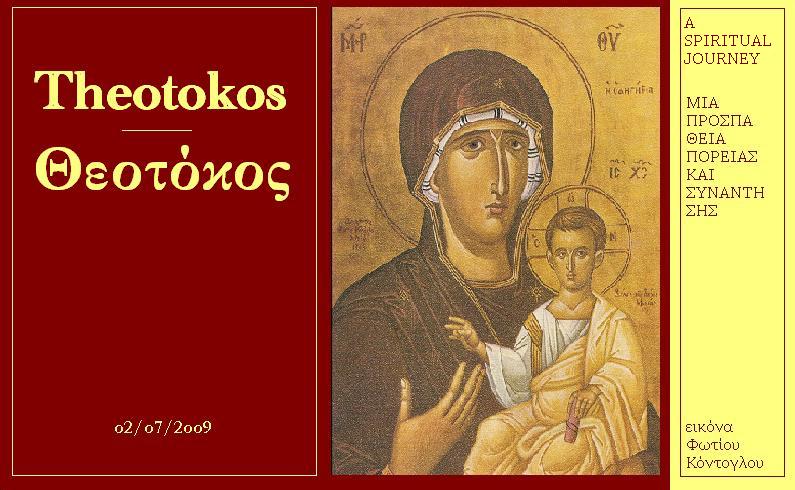
Και κάτι τελευταίο. Στο κατά Λουκάν Ευαγγέλιο αναφέρεται πως, όταν η Παναγία μετά τον Ευαγγελισμό επισκέφθηκε την Ελισάβετ, τη μητέρα του Προδρόμου, εκείνη την εμακάρισε με τα λόγια: «Ευλογημένη συ εν γυναιξί». Και η Παναγία απάντησε ως εξής: «Μεγαλύνει η ψυχή μου τον Κύριον.. Ιδού γαρ από του νυν μακαριούσί με πάσαι αι γενεαί» (α’ 48).
Τι ήταν τότε η Παναγία; Μια άσημη κόρη της Ναζαρέτ ήταν. Ποιος την ήξερε; Παρά ταύτα από τότε ξεχάσθηκαν αυτοκράτειρες, έσβησαν λαμπρά ονόματα γυναικών, λησμονήθηκαν σύζυγοι και μητέρες στρατηλατών. Ποιος ξέρει ή ποιος θυμάται τη μητέρα του Μεγ. Ναπολέοντος ή τη μητέρα του Μεγ. Αλεξάνδρου; Σχεδόν κανείς. Όμως εκατομμύρια χείλη σ’ όλα τα μήκη και τα πλάτη της γης και σ’ όλους τους αιώνες υμνούν την ταπεινή κόρη της Ναζαρέτ, «την τιμιωτέραν των Χερουβείμ και ενδοξοτέραν ασυγκρίτως των Σεραφείμ». Ζούμε ή δεν ζούμε εμείς σήμερα, οι άνθρωποι του εικοστού αιώνα, την επαλήθευσι του προφητικού αυτού λόγου της Παναγίας;
Τα ίδια ακριβώς συμβαίνουν όσον αφορά και σε μια «δευτερεύουσα» προφητεία του Χριστού: Όταν στην οικία του Σίμωνος του λεπρού μια γυναίκα περιέχυσε στο κεφάλι Του το πολύτιμο μύρο, είπε ο Κύριος: «Αμήν λέγω υμίν, όπου εάν κηρυχθή το ευαγγέλιον τούτο εν όλω τω κόσμω, λαληθήσεται και ο εποίησεν αύτη εις μνημόσυνον αυτής» (Ματθ. κς’ 13). Πόσος ήταν ο κύκλος των οπαδών Του τότε, για να πη κανείς ότι αυτοί θα έκαναν τα αδύνατα δυνατά ώστε να εκπληρωθεί η προφητεία αυτή του Διδασκάλου τους; Και μάλιστα μια τέτοια προφητεία, η οποία με τα κριτήρια του κόσμου δεν έχει και καμιά σημασία για τους πολλούς;
Είναι ή δεν είναι θαύματα αυτά; Αν μπορείς, εξήγησέ τα. Αν δεν μπορείς όμως, παραδέξου τα ως τέτοια.
Άθεος:
- Ομολογώ ότι τα επιχειρήματα σας είναι ισχυρά. Έχω όμως να σας ρωτήσω κάτι ακόμη: Δεν νομίζετε ότι ο Χριστός άφησε το έργο του ημιτελές; Εκτός κι αν μας εγκατέλειψε. Δεν μπορώ να φαντασθώ έναν Θεό να παραμένει αδιάφορος στο δράμα του ανθρώπου. Εμείς να βολοδέρνουμε εδώ κι εκείνος από ψηλά να στέκεται απαθής.
Γέροντας:
- Όχι, παιδί μου. Δεν έχεις δίκιο. Ο Χριστός δεν άφησε το έργο Του ημιτελές. Αντιθέτως είναι η μοναδική περίπτωση ανθρώπου στην ιστορία, ο οποίος είχε τη βεβαιότητα ότι ολοκλήρωσε την αποστολή Του και δεν είχε τίποτα άλλο να κάνη και να πη.
Ακόμη κι ο μέγιστος των σοφών, ο Σωκράτης, ο οποίος μια ολόκληρη ζωή μιλούσε και δίδασκε, στο τέλος συνέθεσε και μια περίτεχνη απολογία και, αν ζούσε, θα είχε κι άλλα να πει.
Μόνο ο Χριστός σε τρία χρόνια δίδαξε ό,τι είχε να διδάξει, έπραξε ό,τι ήθελε να πράξη και είπε το «τετέλεσται». Δείγμα κι αυτό της θεϊκής Του τελειότητας και αυθεντίας.
Όσο για την εγκατάλειψι, την οποία ανέφερες, σε καταλαβαίνω. Χωρίς Χριστό ο κόσμος είναι θέατρο του παραλόγου. Χωρίς Χριστό δεν μπορείς να εξηγήσης τίποτε. Γιατί οι θλίψεις, γιατί οι αδικίες, γιατί οι αποτυχίες, γιατί οι ασθένειες, γιατί, γιατί, γιατί; Χιλιάδες πελώρια «γιατί».
Κατάλαβέ το! Δεν μπορεί ο άνθρωπος να προσεγγίσει με την πεπερασμένη λογική του τα «γιατί» αυτά. Μόνο με τον Χριστό εξηγούνται όλα: Μας προετοιμάζουν για την αιωνιότητα. Ίσως εκεί μας αξιώσει ο Κύριος να πάρουμε απάντηση σε μερικά από τα «γιατί» αυτά.
Αξίζει τον κόπο να σου διαβάσω ένα ωραίο ποίημα από τη συλλογή του Κωνσταντίνου Καλλινίκου «Δάφναι και Μυρσίναι» με τον τίτλο «Ερωτηματικά».
Είπα στον γέροντα ασκητή τον εβδομηκοντάρη,
που κυματούσε η κόμη του σαν πασχαλιάς κλωνάρι:
Πες μου, πατέρα μου, γιατί σε τούτη ‘δω τη σφαίρα
αχώριστα περιπατούν η νύχτα και η μέρα;
Γιατί, σαν να ‘σαν δίδυμα, φυτρώνουμε αντάμα
τ’ αγκάθι και το λούλουδο, το γέλιο και το κλάμα;
Γιατί στην πιο ελκυστική του δάσους πρασινάδα
σκορπιοί φωλιάζουν κι όχεντρες και κρύα φαρμακάδα;
Γιατί, προτού το τρυφερό μπουμπούκι ξεπροβάλει
και ξεδιπλώσει μπρος στο φως τ’ αμύριστά του κάλλη,
μαύρο σκουλήκι έρχεται, μια μαχαιριά του δίνει
κι ένα κουρέλι άψυχο στην κούνια του τ’ αφήνει;
Γιατί αλέτρι και σπορά και δουλευτάδες θέλει
το στάχυ, ώσπου να γενή ψωμάκι και καρβέλι
και κάθε τι ωφέλιμο κι ευγενικό και θείο
πληρώνεται με δάκρυα και αίματα στο βίο,
ενώ ο παρασιτισμός αυτόματα θεριεύει
κι η προστυχιά όλη τη γη να καταπιή γυρεύει;
Τέλος, γιατί εις του παντός την τόση αρμονία
να χώνεται η σύγχυσι κι η ακαταστασία;
Απήντησε ο ασκητής με τη βαρειά φωνή του
προς ουρανούς υψώνοντας το χέρι το δεξί του:
Οπίσω από τα χρυσά εκεί επάνω νέφη
κεντά ο Μεγαλόχαρος ατίμητο γκεργκέφι (=κέντημα).
Κι εφόσον εις τα χαμηλά εμείς περιπατούμεν
την όψι την ξανάστροφη, παιδί μου, θεωρούμε.
Και είναι άρα φυσικό λάθη ο νους να βλέπη
εκεί που να ευχαριστή και να δοξάζη πρέπει.
Πρέπει σαν Χριστιανός να έλθη η ημέρα
που η ψυχή σου φτερωτή θα σχίση τον αιθέρα
και του Θεού το κέντημα απ’ την καλή κοιτάξης
και τότε... όλα σύστημα θα σου φανούν και τάξις!
Ο Χριστός, παιδί μου, δεν μας εγκατέλειψε ποτέ. Παραμένει κοντά μας, βοηθός και συμπαραστάτης, μέχρι συντέλειας των αιώνων. Αυτό όμως θα το καταλάβεις, μόνο αν γίνεις συνειδητό μέλος της Εκκλησίας Του και συνδεθείς με τα Μυστήριά της.
[Αναδημοσίευση από το βιβλίο: ΙΕΡΟΝ ΗΣΥΧΑΣΤΗΡΙΟΝ ΚΕΧΑΡΙΤΩΜΕΝΗΣ ΘΕΟΤΟΚΟΥ, «ΑΠΟ ΤΗ ΖΩΗ ΚΑΙ ΤΗ ΔΙΔΑΣΚΑΛΙΑ ΤΟΥ ΠΑΤΡΟΣ ΕΠΙΦΑΝΙΟΥ»]
Π Α Ρ Α Π Ο Μ Π Ε Σ
[1] Από την ιερά ιστορία βλέπουμε τον Αβραάμ να αυτοαποκαλείται «γη και σποδός» (Γεν. Ιη’ 27). Ομοίως και τον Ιώβ (μβ’ 6). Ο μέγας Μωυσής διστάζει να αναλάβει την αποστολή της απελευθερώσεως των Ισραηλιτών από την Αίγυπτο, θεωρώντας τον εαυτό του μικρό και ανεπαρκή για το έργο αυτό: «Και είπε Μωϋσής προς τον Θεόν. τις ειμί εγώ ότι πορεύσομαι προς Φαραώ βασιλέα Αιγύπτου; ... ουχ ικανός ειμί... ισχνόφωνος και βραδύγλωσσος εγώ ειμί...» (Εξ. Γ’ 11, δ’ 10). Παρόμοια λέει αργότερα και ο Κριτής Γεδεών: «Κύριέ μου, εν τίνι σώσω τον Ισραήλ; ... και εγώ ειμί μοκρότερος εν τω οίκω του πατρός μου...» (Κριτ. ς’ 15). Ο Δαυίδ ονομάζει τον εαυτό του «κύνα τεθνηκότα και ψύλλον» (Α’ Βασ. κδ’ 15), «σκώληκα και ουκ άνθρωπον, όνειδος ανθρώπων και εξουδένημα λαού» (Ψαλμ. κα’ 27). Ο Ησαΐας αναφωνεί: «ω τάλας εγώ ότι κατανένυγμαι (=ταλαίπωρος εγώ? έχω συνταραχθή), ότι άνθρωπος ων και ακάθαρτα χείλη έχων, εν μέσω λαού ακάθαρτα χείλη έχοντος εγώ οικώ και τον βασιλέα Κύριον Σαβαώθ είδον τοις οφθαλμοίς μου» (ς’ 5). Ο Ιερεμίας κραυγάζει: «Ω Δέσποτα Κύριε, ιδού ουκ επίσταμαι λαλείν ότι νεώτερος εγώ ειμί... ίασαί με, Κύριε, και ιαθήσομαι. σώσόν με, και σωθήσομαι. ότι καύχημά μου συ ει...» (α’ 6, ιζ’ 14). Οι τρεις Παίδες εξομολογούνται και για τους εαυτούς των και για όλο τον λαό: «... ότι ημάρτομεν και ηνομήσαμεν αποστήναι από σου (=με το να απομακρυνθούμε από Σένα) και εξημάρτομεν εν πάσι και των εντολών σου ουκ ηκούσαμεν... εν ψυχή συντετριμμένη και πνεύματι ταπεινώσεως προσδεχθείημεν (=ας γίνουμε δεκτοί)...» (Δανιήλ, Προσευχή Αζαρίου 56 και 15).
Ο «μείζων εν γεννητοίς γυναικών» Ιωάννης ο Βαπτιστής «ωμολόγησε και ουκ ηρνήσαντο. και ωμολόγησεν ότι ουκ ειμί εγώ ο Χριστός. Και ηρώτησαν αυτόν? τι ουν; Ηλίας ει συ; Ουκ ειμί. Ο Προφήτης ει συ; Και απεκρίθη Ου... Εγώ φωνή βοώντος εν τη ερήμω, ευθύνατε την οδόν Κυρίου... εγώ ουκ ειμί άξιος ίνα λύσω αυτού (=του Ιησού) τον ιμάντα του υποδήματος...» (Ιωάν. Α’ 20 κ.ε.). Ο μοναδικός, τέλος, και ανεπανάληπτος Παύλος θεωρεί τον εαυτό του «έκτρωμα» και ανάξιον «καλείσθαι απόστολον», «ταλαίπωρον άνθρωπον», «πρώτον των αμαρτωλών» (Α’ Κορ. ιε’ 89, Ρωμ. ζ’ 24, Α’ Τιμ. α’ 15). Αλλά ας μη μηκύνουμε περισσότερο τον λόγο...
[2] εφαρμόζοντας το: «όσω μέγας ει, τοσούτω ταπείνου σεαυτόν» (Σειρ. Γ’ 18)
[3] Στο Ευαγγέλιο του Ιωάννου αυτό ακριβώς τονίζεται: «ο εωρακώς μεμαρτύρηκε» (ιθ’ 35), δηλ. εκείνος ο οποίος τα έγραψε αυτά, ο ίδιος είδε κάποιον στρατιώτη να λογχίζει την πλευρά του Χριστού και να εξέρχεται αίμα και νερό.
[4] «Οι δε εδίστασαν» να Τον προσκυνήσουν (Ματθ. κη’ 17). «Κακείνοι (οι Απόστολοι) ακούσαντες ότι ζη και εθεάθη υπ’ αυτής (της Μαγδαληνής) ηπίστησαν» (Μάρκ. ις’ 11). «Ουδέ εκείνοις (στους δύο προς Εμμαούς) επίστευσαν» (Μάρκ. ις’ 13). «Ωνείδισε την απιστίαν αυτών και σκληροκαρδίαν ότι τοις θεασαμένοις αυτόν εγηγερμένονουκ επίστευσαν» (Μάρκ. ις’ 14). «Εφάνησαν ενώπιον αυτών (των Αποστόλων) ωσεί λήρος (=ανοησία, παραλήρημα) τα ρήματα αυτών (των μυροφόρων) και ηπίστουναυταίς» (Λουκ. κδ’ 11). «Ημείς ηλπίζομεν (παρατατικός) ότι αυτός εστιν ο μέλλων λυτρούσθαι τον Ισραήλ» (λουκ. κδ’ 21). «Εάν μη ίδω εν ταις χερσίν αυτού τον τύπον των ήλων, και βάλω τον δάκτυλόν μου εις τον τύπον των ήλων, και βάλω την χείρά μου εις την πλευράν αυτού, ου μη πιστεύσω» (: Θωμάς, Ιωάν. κ’ 25) κλπ
Μεταγραφή: Θωμάς Δρίτσας
http://www.oodegr.com/oode/a8eismos/a8eism6.htm

One morning, the Elder (Geron) Epiphanios Theodoropoulos was in a conversation with 2-3 visitors at his home. One of them was an ideological atheist and a communist. Suddenly, someone from outside came rushing in, and informed them that the city of Athens had been flooded with photographs of Mao Tse Tung, with the inscription “Glory to the great Mao”. It was the day that the Chinese dictator had died.
Geron:
That’s the way things are, my child. Atheists do not exist. Only idolaters exist, who take down Christ from His throne and in His place they enthrone their own idols. We say: “Glory be to the Father and the Son and the Holy Spirit”. They say: “Glory to the great Mao”. You pick and choose which one you prefer.
Atheist:
You also choose your drug, grandpa. The only difference is, that you call it Christ, others call it Allah, or Buddha, etc. etc…
Geron:
My child, Christ is not a drug. Christ is the Creator of the entire universe. He is the one Who governs everything wisely, from the multitudes of infinite galaxies, down to the minutest particles of the microcosm. He has given life to all of us. He is the One Who brought you into this world and has bestowed you with so much freedom, that you can actually doubt Him, and even deny Him.
Atheist:
Grandpa, its your right to believe in all of those things. But that doesn’t mean they are true. Do you have any proofs?
Geron:
You think all of this is just a fairy tale, don’t you?
Atheist:
Naturally.
Geron:
Do you have any proof that it is a fairy tale? Can you prove that what I believe is false?
Atheist:
……………....
Geron:
You didn’t reply, because you don’t have any proof either. Which means, you believe they are fairy tales. I spoke to you of believing, when I referred to God; you, however, although rejecting my belief, essentially believe in your faithlessness, since you cannot back it up with proofs either. However, I must tell you that my belief is not something “out of the blue”; There are certain supernatural events, upon which it is founded.
Atheist:
Just a minute! Since we are talking about believing, what would you say to Muslims or Buddhists for example? Because they also talk about believing. And they too have high moral standards. Why is your belief better than theirs?
Geron:
So! The criterion of the truth is supposedly judged by this question of yours? Because the truth is most certainly one; truths cannot be many in number. The thing is, who is the possessor of the truth? That is the major question. Hence, it is not a matter of a better or worse belief! It is a matter of the only true belief!
I agree, that other beliefs also have moral teachings. Naturally, Christianity’s moral teachings are incomparably superior. But, we do not believe in Christ because of His moral teachings. Or for His prompting to “Love one another”, or for His sermons on peace and justice, freedom and equality. We believe in Christ, because His presence on earth was accompanied by supernatural events, which was a sign that He is God.
Atheist:
Look, I also admit that Christ was an important philosopher and a great revolutionary, but let’s not make Him a God now……
Geron:
My dear child! All the great disbelievers in history were snagged by that detail. The fishbone that stuck in their throat, which they just couldn’t swallow, was exactly that: That Christ is also God.
Many of them were willing to say to God: “Don’t tell anyone that You are God incarnate; Just say that You’re an ordinary human, and we shall be more than ready to deify you. Why do You want to be an incarnate God, and not a deified human? We are willing to glorify You, to proclaim You as the greatest among men, the holiest, the most ethical, the noblest, the unsurpassable, the one and only, the unprecedented… Isn’t that enough for You ?
Ernest Renan –he was the head of the chorus of deniers- thunders out the following, with regard to Christ: “For tens of thousands of years, the world shall be uplifted through You”, and “You are the cornerstone of mankind; if one were to wrench Your name away from this world, it would be like shattering its foundations” and “the aeons shall proclaim that amongst the sons of men, never was there born anyone that could surpass You”. But this is where Renan and his likes stop. Their very next phrase is: “But a God, You are not!”
And those poor wretches cannot perceive that all of these things constitute an indescribable tragedy! Their dilemma is inevitably relentless: EitherChrist is an incarnate God, in which case, He is indeed, only then, the most ethical, the holiest and noblest personage of mankind, or, He is not an incarnate God, in which case, He cannot possibly be any of these. In fact, if Christ is not God, then we are talking about the most horrible, the most atrocious and the most despicable existence in the history of mankind.
Atheist:
What did you just say ?
Geron:
Exactly what you heard! It may be a weighty statement, but it is absolutely true. And I will tell you why.
Let me ask: What did all the truly great men say about themselves, or what opinion did they have of themselves ?
The “wisest of all men”, Socrates, proclaimed that “I came to know one thing: that I know nothing”.
All the important men in the Old and New Testament, from Abraham and Moses, through to John the Baptist and the Apostle Paul, characterized themselves as “earth and ashes”, “wretches”, “monstrosities”, etc…. [1]
But, strangely enough, Jesus’ attitude is quite the opposite! And I say strangely enough, because it would have been natural and logical for Him to have a similar attitude. In fact, being far superior and surpassing all others, He should have had an even lower and humbler opinion of Himself [2]. Ethically more perfect than any other, He should have surpassed everyone and anyone in self-reproach and humility, from the moment of the world’s Creation to the end of Time.
But, the exact opposite is observed!
First of all, He proclaims that He is sinless: “Who among you shall check Me for sin?” (John, 8:46). “The lord of this world is coming, and he can find nothing in Me.” (John, 14: 30)
He also pronounces very high ideas of Himself: “I am the light of the world” (John, 8, 12); “I am the path and the truth and the life” (John, 14: 6)
But, apart from these, He also projects demands of absolute dedication to His Person. He even penetrates the holiest of man’s relationships, and says: “Whomsoever loves their father or mother more than Me, is not worthy of Me. and whomsoever loves their son or daughter more than me is not worthy of me”. (Matthew, 10: 37). “I came to turn man away, against his father, and the daughter against her mother and the daughter-in-law against her mother-in-law” (Matthew, 10: 35). He even demands a life and a death of martyrdom from His disciples: “They shall deliver you to councils and flog you in their synagogues; and you shall be dragged before leaders and kings for My sake…. And brother shall deliver his brother to death and the father his son, and the children shall revolt against their parents and shall put them to death…. And you shall be hated by everyone, for my namesake…. And he that shall endure to the end, he shall be saved…. Do not fear those who destroy the body….. Whomsoever shall deny Me before mankind, I too shall deny him…. Whomsoever has forfeited his soul for My sake, shall recover it.” (Matthew, 10: 17 onward)
And now I ask you: Has anyone ever dared to demand for himself the love of mankind, forsaking their very life? Has anyone ever dared to proclaim his absolute sinlessness? Has anyone ever dared to utter the words: “I am the truth”? (John, 14: 6) No-one, and nowhere! Only a God can do that. Can you imagine your Marx uttering things like that? They would take him for a lunatic and nobody would be willing to follow him!
Now, just consider, how many people sacrificed everything for Christ’s sake, even their very life, having believed in the veracity of His words regarding Himself! If His proclamations about Himself were false, Jesus would have been the most despicable character in history, for having led so many people to such a huge sacrifice! What ordinary man – no matter how great, how important, how wise he may be – would deserve such a tremendous offer and sacrifice? Well? No-one! Not unless he were God!
In other words: Any ordinary man that would demand such a sacrifice from his followers would have been the most loathsome person in history. Christ, however, both demanded it, and achieved it. Yet, despite this ‘achievement’, He was proclaimed by the very deniers of His divinity as the noblest and holiest figure in history. So, either the deniers are being illogical when they proclaim this most loathsome figure as “holiest”, or, in order to avoid any illogicality, and to rationalize the co-existence of Christ’s demands and His holiness, they must concede to accepting that Christ continues to remain the noblest and holiest figure in mankind, but, only under the condition that He is also God! Otherwise, as we said, He would be, not the holiest, but the most loathsome figure in history, being the cause of the greatest sacrifice of all ages, and in the name of a lie! Thus, Christ’s divinity is proved by His very deniers, on the basis of those very characterizations of His person!
Atheist:
What you just said is really very impressive, but it is nothing but speculation. Do you have any historical facts that would confirm His Divinity?
Geron:
I told you at the beginning, that the proofs of His Divinity are the supernatural events that took place while He was here on earth. Christ did not rest on the proclamation of the above truths alone; He certified His statements with miracles as well. He made blind people see and cripples walk; He satisfied the hunger of five thousand men and manifold numbers of women and children with only two fish and five loaves of bread; He commanded the elements of nature and they obeyed; He resurrected the dead, amongst which was Lazarus, four days after his death. But the most astounding of all his miracles was His own Resurrection.
The entire edifice of Christianity is supported on the event of the Resurrection. This is not my speculation. The Apostle Paul said it: “If Christ had not risen (from the dead), our faith would be futile”. (Corinthians I, 15: 17). If Christ is not resurrected, then everything collapses. But Christ wasresurrected, which means He is the Lord of life and death, therefore God.
Atheist:
Did you see all of this? How can you believe it?
Geron:
No, I didn’t see any of it, but others did: the Apostles. They in turn made this known to others, and they actually “signed” their testimony with their own blood. And, as everyone acknowledges, a testimony of one’s life is the supreme form of testimony.
Why don’t you likewise bring me someone, who will tell me that Marx died and was resurrected, and that he is willing to sacrifice his life in order to testify it? I, as an honest man, will believe him.
Atheist:
I will tell you. Thousands of communists were tortured and died for their ideology. Why don’t you embrace communism in the same way?
Geron:
You said it yourself. Communists died for their ideology. They didn’t die for real events. In an ideology, it is very easy for deception to seep through; and because it is a characteristic of the human soul to sacrifice itself for something it believes in, this explains why so many communists died for their ideology. But that doesn’t compel us to accept this ideology as something true.
It is one thing to die for ideas, and another to die for events. The Apostles didn’t die for any ideas. Not even for the “Love one another”, or any of the other moral teachings of Christianity. The Apostles died for their testimony of supernatural events. And when we say ‘event’, we mean that which is captured by our physical senses, and is comprehended through them.
The Apostles suffered martyrdom for “that which they heard”, “that which they saw with their own eyes”, “that which they observed and their hands touched” (John I, 1) [3]
Just like the clever speculation by Pascal, we say that one of the three following things happened to the Apostles: either they were deceived, or, they deceived us, or, they told us the truth.
Let’s take the first case. It is not possible for the Apostles to have been deceived, because everything that they reported, was not reported to them by others. They themselves were eye and ear witnesses of all those things. Besides, none of them were imaginative characters, nor did they have any psychological inclination that made them accept the event of the Resurrection. Quite the contrary - they were terribly distrustful. The Gospels are extremely revealing, in their narrations of their spiritual dispositions: they even disbelieved the reassurances that some people had actually seen Him, resurrected. [4].
And one other thing. What were the Apostles, before Christ called them? Were they perhaps ambitious politicians or visionaries of philosophical and social systems, who were longing to conquer mankind and thus satisfy their fantasies? Not at all. They were illiterate fishermen. The only thing that interested them was to catch a few fish to feed their families. That is why, even after the Lord’s Crucifixion, and despite everything that they had heard and seen, they returned to their fishing boats and their nets. In other words, there was not a single trace of disposition in these men for the things that were to follow. It was only after the day of the Pentecost, “when they received strength from on high”, that they became the teachers of the universe.
The second case: Did they deceive us? Did they lie to us? But then, why would they deceive us? What would they gain by lying? Was it money? Was it status? Was it glory? For someone to tell a lie, he must be expecting some sort of gain. The Apostles though, by preaching Christ - and in fact Christ crucified and resurrected – the only things that they secured for themselves were: hardships, labours, lashings, stonings, shipwrecks, hunger, thirst, nakedness, attacks from robbers, beatings, incarcerations and finally, death. And all this, for a lie? It would be undoubtedly foolish for anyone to even consider it.
Consequently, the Apostles were neither deceived, nor did they deceive us. This leaves us with the third choice: that they told us the truth.
I should also stress something else here: The Evangelists are the only ones who recorded true historical events. They describe the events, and only the events. They do not resort to any personal judgments. They praise no-one, and they criticize no-one. They make no attempt to exaggerate an event, nor eliminate or underestimate another. They let the events speak for themselves.
Atheist:
Are you excluding the possibility that in Christ’s case, it was just an incident of apparent death? The other day, the newspapers had written about someone in India whom they buried and three days later they exhumed him and he was still alive.
Geron:
My poor child! I will recall the words of the blessed Augustine again: “O faithless ones, you are not actually mistrustful; indeed, you are the most gullible of all. You accept the most improbable things, and the most irrational, the most contradictory, in order to deny a miracle!”
No, my child. It was not a case of apparent death with Christ. First of all, we have the testimony of the Roman centurion, who reassured Pilate that Christ’s death was a certainty.
Then, our Gospel informs us that on the same day of His Resurrection, the Lord was seen talking with two of His disciples, walking towards Emmaus, which was more than ten kilometers away from Jerusalem.
Can you imagine someone, who could go through all the tortures that Christ underwent, and three days after His “apparent death”, spring back again? If anything, he would have to be fed chicken soup for forty days, in order to be able to open his eyes, let alone walk and talk as though nothing had happened!
As for the Hindu, bring him here to be flogged with a scourge – do you know what a scourge is? It is a whip, whose lashes each have a lead chunk or a piece of broken bone or sharp nails attached to their end – bring him here, so we can flog him, then force a crown of thorns on his head, crucify him, give him bile and vinegar to drink, then pierce his side with a spear, put him in a tomb, and then, if he comes back from the dead, then we can talk.
Atheist:
Even so, but all the testimonies that you have invoked belong to Christ’s Disciples. Is there any testimony on this matter, that doesn’t come from the circle of His Disciples? Are there any historians for example, who can certify Christ’s Resurrection? If so, then I will also believe what you say.
Geron:
You poor child! You don’t know what you’re saying now! If there had been such historians who had witnessed Christ resurrected, they would have been compelled to believe in His Resurrection and would have recorded it as believers, in which case, you would again have rejected their testimony, just like you rejected Peter’s testimony, John’s testimony, etc. How can it be possible, for someone to actually witness the Resurrection and yet, NOT become a Christian? You are asking for a roasted fowl, on a waxen skewer, that also sings! It just can’t be done !
I will remind you though – because you are asking for historians – of what I said earlier: that the only true historians are the Apostles.
Nevertheless, we do have testimony of the kind that you want; and it is by someone who didn’t belong to the circle of His Disciples: it was Paul. Paul not only wasn’t a Disciple of Christ, he actually persecuted Christ’s Church relentlessly.
Atheist:
They say that Paul suffered from sunstroke and that it was the cause of his hallucination.
Geron:
My child, if Paul was hallucinating, the thing that would have come to the surface, would have been his subconscious. And in Paul’s subconscious, the Patriarchs and the Prophets would have been top ranking. He would have hallucinated about Abraham, and Jacob and Moses, and not Jesus, whom he considered a rabble-rouser and a fraud!
Can you imagine a faithful old granny seeing Buddha or Jupiter in her dream or delirium? She would most probably see Saint Nicholas or Saint Barbara, because she believes in them.
One more thing. With Paul, we have –as Papini notes- the following miraculous phenomena: First of all, the abruptness of his conversion. Straight from faithlessness to faith. With no intermediate preparatory stage. Secondly, the steadfastness of his faith. No wavering, no doubts. And thirdly, his faith lasted for a whole lifetime. Do you believe that all these things can occur after a case of sunstroke? They can in no way be attributed to such a cause. If you can explain how, then explain it. If you can’t, then you must admit the miracle. And you must know that for a man of his time, Paul was exceptionally well-educated. He was not your average little person, who was totally clueless.
I will also add something else. We today, my child, are living in an exceptional era. We are living the miracle of Christ’s Church.
When Christ said of His Church that “the gates of Hades shall not overpower Her” (Matthew 16:18), His followers were very few in number. Almost two thousand years have passed, since that day. Empires vanished, philosophical systems were forgotten, world theories collapsed. But Christ’s Church remains indestructible, despite the continuous and dramatic persecutions it has undergone. Isn’t that a miracle?
And one final thing. In Luke’s Gospel it says that when the Holy Mother visited Elizabeth (the Baptist’s mother) after the Annunciation, she was greeted with the words: “blessed are you amongst women”. And the Holy Mother replied as follows: “My heart magnifies the Lord. Behold, from this moment on, all generations shall call me blessed” (a’ 48).
What was the Holy Mother at that time? She was just an obscure daughter of Nazareth. How many knew her? And yet, since that day, empresses have been forgotten, distinguished women’s names have been extinguished, the mothers and wives of great generals went into oblivion. Who remembers, or even knows, Napoleon’s mother or Alexander the Great’s mother? Almost no-one. But, millions of lips across every length and breadth of the world, throughout the ages, venerate that humble daughter of Nazareth, the “more precious than the Cherubim and incomparably more glorious than the Seraphim”. Are we, or aren’t we –the people of the twentieth century– living in this day and age the verification of those words of the Holy Mother?
The exact same things are observed in a “secondary” prophecy of Christ: While He was staying at the house of Simon the leper, a woman came to Him and poured her expensive fragrant oil over His head. Christ commented: “Amen, verily I say to you, that wherever this gospel will be preached in the world, it will also mention what this woman did, in her memory” (Matthew, 26: 13). Now, how large was His circle of followers at the time, so that one could say that they outdid themselves in order that their Master’s prophecy be fulfilled? Especially a prophecy such as this one, which, by today’s world standards, is of no importance to most people.
Are they or aren’t they miracles? If you can, explain them. But if you can’t, then admit them as such.
Atheist:
I have to admit that your arguments are pretty solid. But I would like to ask you one more thing: Don’t you think that Christ left His work unfinished? That is, unless He deserted us. I can’t imagine a God that would remain indifferent to mankind’s suffering. We are down here toiling, while He, up there, remains apathetic.
Geron:
No, my child. You aren’t right. Christ did not leave His work unfinished. On the contrary, He is the one unique case in history where a person has the certainty that His mission was accomplished, and had nothing further to do or to say.
Even the greatest of philosophers, Socrates, who discussed and taught during his whole lifetime, and towards the end composed an intricate “Apology”, would have even more to say, if he had lived.
Only Christ – in the time bracket of three years – taught what He had to teach, did what He had to do, and finally said (on the Cross): “It is finished”. Another sample of His divine perfection and authority.
As for the abandonment that you mentioned, I can understand your concern. Without Christ, the world would be a theatre of insanity. Without Christ, you cannot explain anything: why are there sorrows, why injustices, why failures, why sicknesses, why, why, why…. Thousands of monumental “why”s.
Try to understand! Man cannot approach all of these “why”s with his finite logic. It is only through Christ that everything can be explained. All these trials merely precondition us for eternity. Perhaps then, we might be honored by the Lord with a reply to some of those “why”s.
It might be worthwhile, if I read you a beautiful poem (*) from Constantine Kallinikos’ collection “Laurels and Myrtles”, with the title “Questions”:
I asked a desert father of seventy years,
whose silver strands were blown by the wind:
Tell me o father, why, on this earth,
do the light and the dark inseparably move ?
And why must they - like twins - together sprout:
the thorn and the rose, the tear and the smile?
Why, in the loveliest part of the woodland green
have scorpions and vipers concealed their nests?
Why must it be, that the tender bud,
before unfolding its fragrant bloom,
be struck by a worm in the heart of its stem,
And left to die, like a shrivelled rag ?
Why are the plow, the seed and the hands
a must for the wheat, to become our bread?
Why must everything useful, noble, divine
always be purchased with tears and our blood,
while selfishness ever rampantly reigns,
and lewdness is swallowing up the world?
And why, amongst such harmony around,
must tumult and disorder find their way?
The hermit replied, with his somber voice
and right arm pointing to the sky,
that there, beyond those clouds of gold,
the Almighty weaves a tapestry divine.
But since we are wanderers of the lower plane
We see nothing but the knots and strings below,
It is no wonder, why the mind sees wrong,
when it should always be thankful and give praise:
for the day will come, when Christians all,
with souls that ride the skies with wings,
will gaze atop God’s tapestry and see
how careful and orderly everything was!
My child, Christ never abandoned us. He is forever with us, as a helper and a supporter, until the end of time. But you will realize this, only when you become a conscientious member of His Church and be joined by Her Sacraments.
[Re-published, from the book of the Holy Recluse Monastery of the Theotokos “FROM THE LIFE AND THE TEACHING OF FATHER EPIPHANIOS”]
(*) The poem has been loosely translated, for its message only.
R E F E R E N C E S
[1] From within sacred history, we observe how Abraham considers himself “earth and ashes” (Genesis 18: 27). Similarly Job (42: 6). The great Moses hesitates to undertake the mission of liberating the Israelites from Egypt, believing himself to be too small and inadequate for such a job: “And Moses said to God : ‘Who am I, that can go to the Pharaoh, king of Egypt,…… I am not capable……. weak voiced and stuttering, I am.” (Exodus 3: 11, 4: 10). The same is said at a later date by the Judge Gideon: “My Lord, how can I save Israel?…. for I am the youngest of my father’s house…” (Judges 6: 15). David calls himself “a dead dog, and a louse” (Kings I, 24: 15), a worm and not a man, the disgrace of mankind and the derogation of the people” (Psalms 21:27). Isaiah cries out: “woe is me, the wretched one, for I am deeply troubled, because, being a man and having impure lips, I reside amongst the people with impure lips, and yet I have looked upon the king, Lord Shabuoth with my very eyes” (Isaiah 6:5). Jeremiah laments: “O Sovereign Lord, behold, I cannot speak, for I am the younger…. Cure me my Lord, and I shall be healed; save me, and I shall be saved. For You are my boasting.” (Jeremiah 1:6, 17:14). The three Young Men utter a confession about themselves and all of the population: “….for we have sinned and broken the law, by distancing ourselves from You, and we are sinners in everything and we did not obey Your commandments….. with a crushed soul and a humbled mind, may we be received by You…” (Daniel, Azarias’ prayer, 56 and 16).
John the Baptist, the “greatest amongst those born of woman”, confessed : “I am not the Christ. And they asked him: Who then are you? Are you Elijah? I am not. Are you the Prophet? And he replied: No. …… I am just a voice in the wilderness, crying out “straighten the path of the Lord……. I am not worthy enough, to even loosen the strap of His (Christ’s) sandal…” (John I, 20). Finally, the one and only and unprecedented Paul, considers himself a “monstrosity” and unworthy “to be called an apostle”, a “wretched person”, and “the first amongst all sinners” ( Corinthians I, 15:89, Romans 7:24, Timothy I, 1:15). But, we won’t take up any more time here…
[2] by applying the standard of: “the greater you are, the more you should humble yourself”. (Sirah, 3:18)
[3] This is precisely what is stressed in John’s Gospel: “the one who witnessed, testified” (19: 35); In other words, the one who wrote those things was the one who actually saw the soldier pierce Christ’s side with the spear, and he saw blood and water coming out of the wound.
[4] “They hesitated to prostrate themselves to Him” (Matthew 28:17). “And they (=the apostles), upon hearing that He was alive and was seen by her (=Mary Magdalene), disbelieved”. (Mark 16:13). “He derided them for their disbelief and their hard-heartedness, because they did not believe those who had seen Him risen” (Mark 16:14). “It appeared to them (=the Apostles) that their (=the myrrh-bearers’) words were like ravings (=foolishness, delirium), and they disbelieved them” (Luke 24:11). “We had hoped that He was the one who was destined to redeem Israel” (Luke 24:21). “If I do not see the imprint of the nails on His hands and place my finger on the imprint of the nails, and place my hand on (the wound of) His side, I shall not believe." (=words of Doubting Thomas, John 20:25), etc.
Transcript: Thomas Dritsas
Translation by K.N. http://www.oodegr.com/english/atheismos/gerwn1.htm


